Blog Post 4
Why a Reliable Power Bank Matters for Android Thermal Imaging in the UK
If you use a compact Android thermal imaging camera for vehicle diagnostics, building inspections or fault finding on site, battery life quickly becomes more than a convenience issue. It affects workflow, repeat visits and how confidently you can finish a job. For UK technicians, mobile mechanics and serious DIY users, pairing an infrared camera with the right power bank can make the difference between a smooth diagnosis and a wasted call-out.
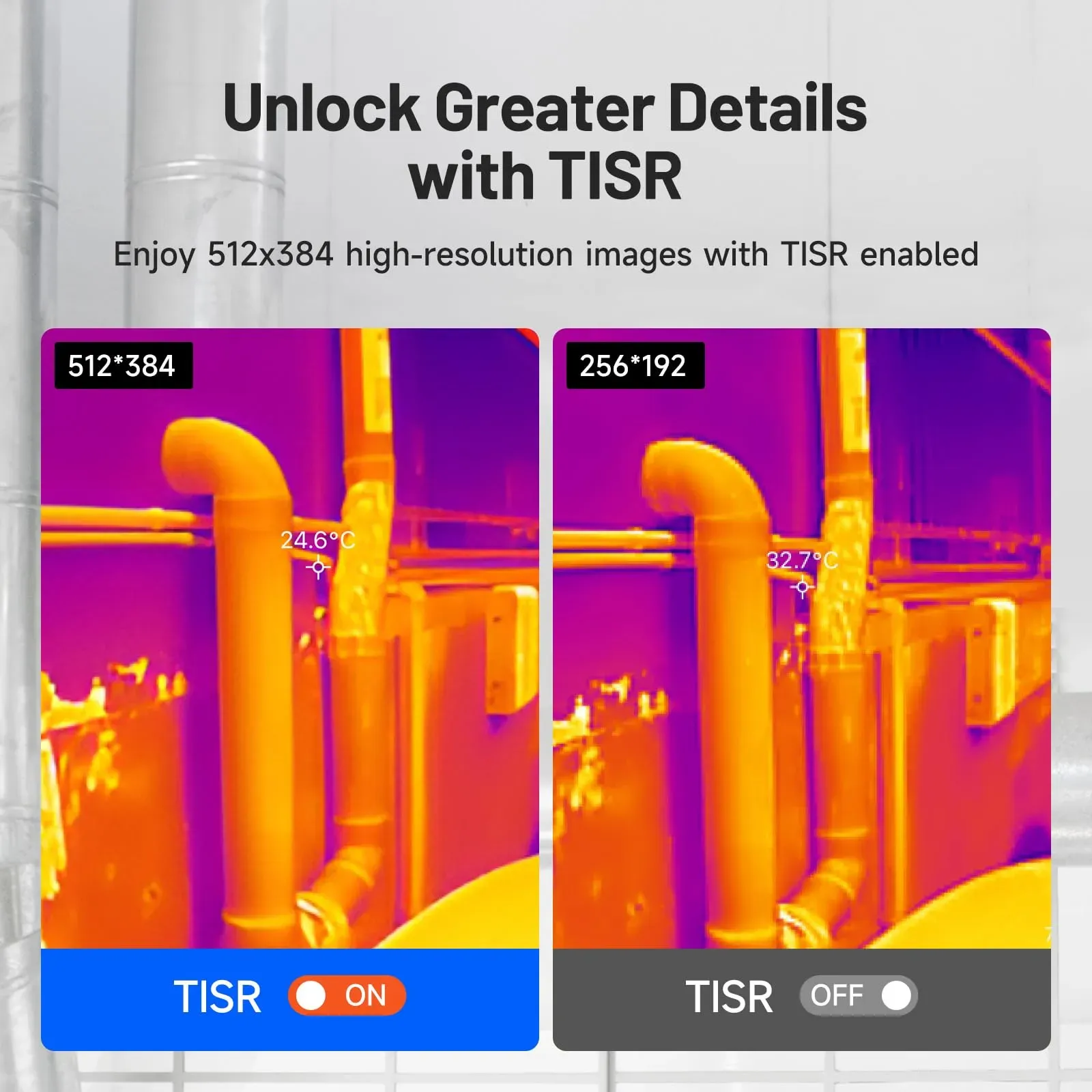
At TopdOnTC, our focus is practical diagnostic performance: compact Android thermal imaging with 512x384 detail for faster fault finding at home, on site and in the workshop. In real-world use, that means thinking beyond image quality alone. Your phone or tablet is the display, processing hub and reporting tool for your thermal camera, so dependable portable charging becomes part of your toolkit.
Key Takeaways
- A power bank helps keep Android thermal imaging systems running during long inspections, mobile diagnostics and site work.
- For most UK users, capacity, USB-C charging speed, portability and device compatibility matter more than headline mAh alone.
- Fast charging can reduce downtime between jobs, especially when using power-hungry phones with bright displays and diagnostic apps.
- Choosing between 10,000mAh and 20,000mAh depends on travel patterns, shift length and whether you charge one device or several.
- For deeper comparisons, see our pillar guide: Best Power Banks UK: 2026 Buyer’s Guide & Comparisons.
The overlooked weak point in mobile diagnostics
Modern Android thermal imaging cameras are compact, capable and brilliantly convenient. They turn an everyday phone into a serious diagnostic instrument for spotting overheating electrical components, checking HVAC performance, tracing heat loss or identifying unusual temperature patterns in automotive systems. Yet there is one obvious vulnerability: your inspection setup is only as dependable as the phone powering it.
Thermal apps increase screen-on time, brightness is often turned up when working outdoors or under workshop lighting, and technicians frequently run messaging apps, navigation, customer photos and reporting tools at the same time. In practice, that battery drain adds up quickly. A power bank is not an accessory in these situations; it is operational backup.
This is particularly relevant in the UK where engineers may spend long days moving between homes, construction sites and roadside jobs. Access to mains power cannot always be assumed. If you are inspecting loft insulation in one appointment and then diagnosing an overheating fuse box or vehicle battery issue at the next, uninterrupted phone power matters.
Why this matters in UK working conditions
British weather and working patterns create their own demands. Winter site work reduces battery efficiency. Rainy conditions often mean screens are kept brighter for visibility. Mobile technicians may spend significant time between appointments in vans without convenient charging access beyond vehicle sockets. Tradespeople also increasingly rely on digital systems for invoices, call logs and reports on the same handset used with their infrared camera.
There is also a wider duty-of-care angle. In sectors touching housing quality, maintenance or healthcare environments such as NHS estate support teams and contractors working around public buildings, interruptions during inspection can slow down decisions about heating faults, electrical issues or damp-related checks. While a power bank does not replace proper safety process or calibrated equipment, it does support continuity during time-sensitive diagnosis.
The NHS has publicly highlighted the importance of energy efficiency and estate performance across healthcare facilities through its Net Zero and infrastructure programmes, underscoring how building services monitoring and maintenance remain critical operational concerns in the UK public sector. Source: NHS England estates and Net Zero publications.
How much battery does Android thermal imaging actually use?
The exact figure depends on your phone model, app optimisation, display brightness and whether you are recording images or video. However, anyone who has spent several hours using an infrared camera attachment knows that sustained screen-on activity drains power much faster than casual everyday use.
A useful benchmark comes from Ofcom’s research into mobile usage trends in the UK: smartphones remain central to everyday digital activity across communications, media consumption and work-related tasks. In other words, most users begin field tasks with devices already carrying multiple background demands. Source: Ofcom communications market reporting.
Add thermal imaging software to that mix and battery levels can drop sharply over a morning or afternoon session. This is why many professionals choose to carry a dedicated USB-C power bank even if their van has charging available. Vehicle charging works while travelling; portable charging keeps you working while standing under a bonnet, walking around a property or accessing awkward plant-room spaces.
Typical scenarios where backup power helps
- Carrying out repeated scans on vehicles during mobile automotive diagnostics
- Inspecting radiators, pipe runs or insulation issues across multiple rooms
- Using navigation plus customer communication while travelling between jobs
- Capturing images for reports without wanting to conserve battery by reducing screen brightness
- Working outdoors where cold temperatures can shorten effective battery life
What to look for in a power bank for infrared camera users
1. Capacity that matches your working day
A small power bank may be enough for occasional domestic use or short jobs close to home. But if you spend full days on site or use your phone intensively for diagnostics as well as admin tasks, more capacity gives peace of mind.
If you are choosing between common sizes, our comparison guide on 10000mAh vs 20000mAh power banks in the UK explains where each option makes sense. In general:
- 10,000mAh: better for lighter carry, shorter inspections and everyday backup
- 20,000mAh: better for heavy users, longer site days or charging multiple devices
2. USB-C fast charging support
If your Android handset supports USB-C Power Delivery or another fast-charging standard compatible with your chosen pack, top-ups can be much quicker during short gaps between appointments. That matters if your phone acts as both display monitor and communications hub for your thermal camera setup.
If speed matters most to you, it is worth reading our round-up of the best fast charging USB-C power banks in the UK. Faster input charging also means the power bank itself can often be replenished more quickly overnight or during lunch stops.
3. Portability in real tool-bag terms
The best unit on paper is not always the best unit in practice. A bulky charger left in the van is less useful than a slim model kept within reach in your jacket pocket or diagnostic pouch. For mobile mechanics and field engineers especially, weight-to-capacity balance matters.
4. Reliable build quality and safety features
You want overcharge protection, temperature control and dependable cell quality from established brands sold through reputable retailers. This is especially important when chargers live among cables and tools inside work bags or vehicles exposed to changing temperatures.
5. Airline travel considerations for business users
If you travel within the UK or abroad with diagnostic kit for training or contract work, check airline rules for lithium battery carriage. Most mainstream consumer power banks are cabin-compatible within specified watt-hour limits, but policies vary by airline.
A practical buying framework for TopdOnTC customers
If you are using TopdOnTC products because you value compact fault-finding tools that work quickly on Android devices with strong image detail, your buying criteria should stay equally practical when choosing portable power.
Start by asking three simple questions:
- How long am I away from mains power?
- Am I only charging my phone used with the thermal camera, or other devices too? <>
Ready to try TopdOnTC?
Shop Now — £259.99