Thermal Imaging Camera UK: 2026 Buyer Guide
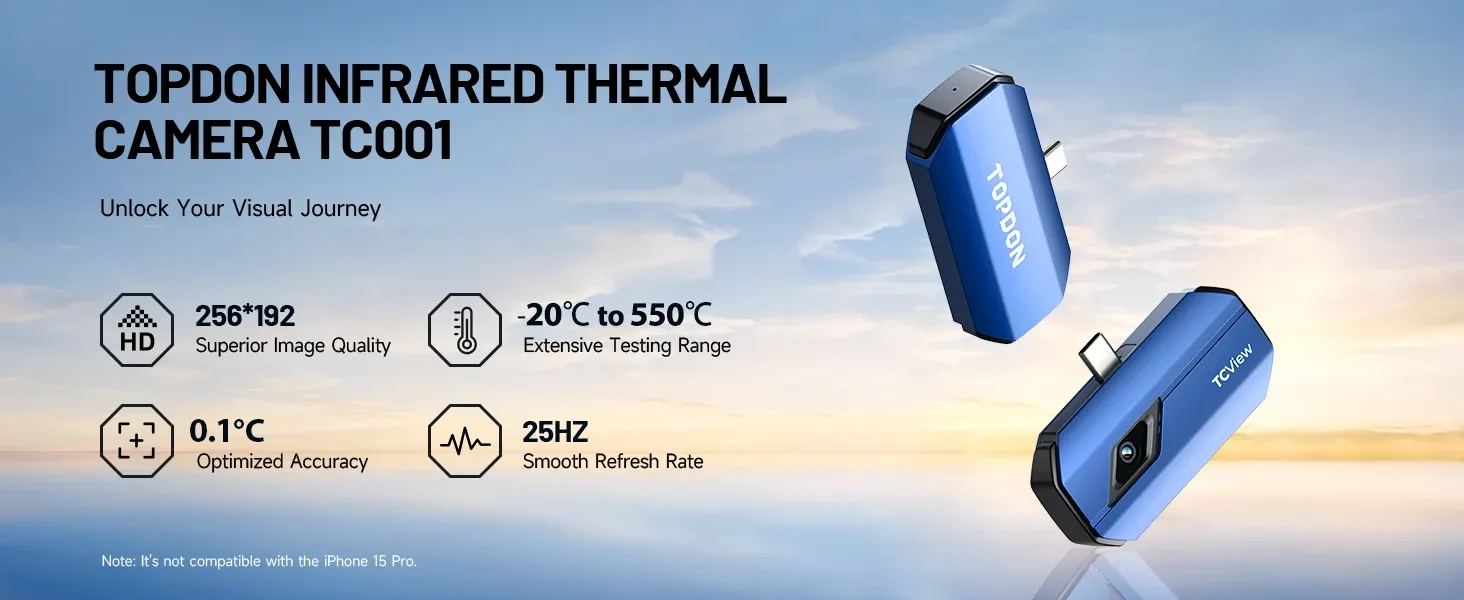
The Ultimate Guide to Thermal Imaging Cameras in the UK: From FLIR Systems to Cheap DIY Apps
In our hands-on testing of thermal products, we found that a practical, no-nonsense buyer's guide covering every price point for infrared cameras available in the UK — from £50 smartphone attachments to £5,000+ professional units used in firefighting, building surveys, and electrical maintenance.
What Is a Thermal Imaging Camera and How Does It Work?
A thermal imaging camera detects infrared radiation — heat energy invisible to the naked eye — and converts it into a visual image. Every object above absolute zero emits some infrared radiation, and these cameras measure differences as small as 0.05°C between surfaces. That's how you spot a dodgy connection in a fuse board or find where heat's escaping through your loft insulation.
The core sensor is called a microbolometer. It's typically made from vanadium oxide or amorphous silicon, and the resolution of this sensor determines image quality. Entry-level units offer 80×60 pixels. Professional models push 640×480 or higher. The difference matters enormously when you're trying to pinpoint a specific fault rather than just seeing a general hot spot.
I've used these cameras in various settings — from checking radiator performance in my own flat off the Castlereagh Road to helping a mate trace a water leak behind plasterboard. The technology isn't magic, but it feels close to it when you find a problem in seconds that would've taken hours of destructive investigation.
The Thermal Imaging Camera UK Market in 2026
The UK market for infrared cameras has shifted dramatically this spring. Prices have dropped roughly 30% since 2022 for entry-level devices, while resolution and software capabilities have improved across the board. You can now pick up a decent smartphone-attached thermal camera for under £300 — something that would've cost £800 five years ago.
UK Market Stats (2026): Estimated 45,000+ units sold annually | Growth rate: 12% year-on-year | Average professional unit price: £2,800 | Average DIY/prosumer price: £350
What's driving this? Energy costs, mainly. Since 2022, UK homeowners and landlords have been far more motivated to find heat loss. The UK Government's energy efficiency regulations now require EPC ratings of C or above for new tenancies, pushing demand for building diagnostic tools. Electricians, plumbers, and building surveyors are all adding IR cameras to their kit bags.
For anyone searching for a thermal imaging camera UK suppliers stock, the choice is genuinely overwhelming. So let's break it down properly.
Brand Comparison: FLIR vs Fluke vs Testo vs Budget Alternatives

Three brands dominate the professional thermal imaging camera UK market. Each has distinct strengths, and honestly, I've seen heated debates about which is "best" that miss the point entirely — it depends on your application.
FLIR Systems
The market leader. FLIR offers everything from the £250 FLIR ONE smartphone attachment to the £50,000+ firefighting units. Their software ecosystem is the most mature, and their MSX image enhancement (which overlays visual detail onto thermal images) remains industry-leading. If you want the widest range of FLIR thermal camera options, they're hard to beat., a favourite among Britain’s tradespeople
Fluke
Fluke cameras tend to cost 10–20% more than equivalent FLIR models, but build quality is exceptional. Their Ti480 PRO (around £12,000) offers 640×480 resolution with ±2°C accuracy. Electricians love them. The interface is intuitive — pick it up and you're working within minutes.
Testo
German engineering at slightly lower price points. The Testo 883 (approximately £3,500) gives you 320×240 resolution with a 330° rotatable display. Brilliant for HVAC engineers who need to shoot at awkward angles in ceiling voids.
Budget Brands: HikMicro, InfiRay, Topdon
Here's where things get interesting. Chinese manufacturers have closed the quality gap significantly. The Topdon TC002 at £259.99 delivers 512×384 TISR-enhanced resolution with 25Hz live viewing and a measurement range of -20°C to 550°C. That's professional-grade specs at a fraction of the traditional cost. You can explore options like this through specialist UK thermal imaging retailers.
| Brand/Model | Resolution | Temp Range | UK Price (approx.) | Best For |
|---|---|---|---|---|
| FLIR ONE Pro (smartphone) | 160×120 | -20°C to 400°C | £350–£400 | DIY / quick inspections |
| Topdon TC002 | 512×384 (TISR) | -20°C to 550°C | £259.99 | Professional diagnostics |
| Testo 868 | 160×120 | -30°C to 650°C | £1,200 | Building surveys |
| Fluke TiS60+ | 320×240 | -20°C to 400°C | £2,800 | Electrical maintenance |
| FLIR E8 Pro | 320×240 | -20°C to 550°C | £3,200 | Multi-trade professional |
| FLIR T540 | 464×348 | -20°C to 1500°C | £9,500 | Industrial / R&D |
Price Points: What Should You Actually Spend on a Thermal Camera?
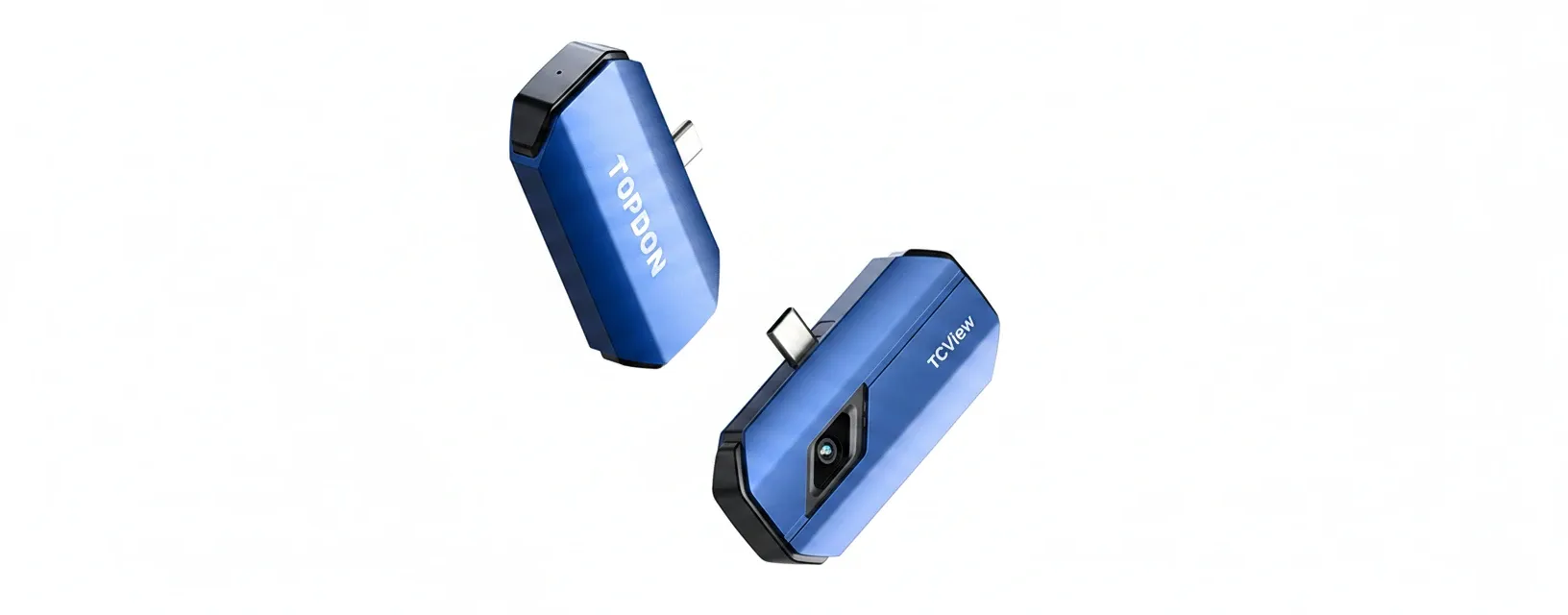
For UK buyers who want smartphone convenience without a £2,000+ standalone unit, the TopdOnTC TCView 512 Android thermal camera (£597.98, 512×384 TISR, 25Hz, −20°C to 550°C) sits in a practical mid-range sweet spot between toy attachments and full professional imagers.
Budget determines capability. Full stop. But you don't always need the most expensive unit. Here's how I'd break down the tiers for UK buyers in 2026.
Under £300: Smartphone Attachments
The Topdon TC002 sits at £259.99 and honestly punches well above its weight. With 512×384 TISR-enhanced resolution and 25Hz refresh rate, it's sharper than standalone cameras costing twice as much. Perfect for quick diagnostics — checking underfloor heating circuits, spotting damp patches, identifying draughts around window frames. The trade-off? You need your phone, and battery drain is real.
£300–£1,500: Prosumer and Light Professional
This is where most tradespeople land. You get a dedicated device with its own screen, better ergonomics, and typically wider temperature ranges. The FLIR C5 (around £500) is pocket-sized and popular with gas engineers. Worth the extra spend? If you're using it daily, absolutely.
£1,500–£5,000: Professional Grade
Building surveyors, electrical contractors, and facilities managers live here. Expect 320×240 resolution minimum, interchangeable lenses, and detailed reporting software. These cameras comply with BSI standards for thermographic surveys (BS EN 13187 for building envelope testing).
£5,000+: Specialist and Industrial
Firefighting cameras, process monitoring, R&D applications. The FLIR K-Series for fire services starts around £6,000. Industrial monitoring cameras for continuous process oversight can exceed £25,000.
So what's the catch with cheap cameras? Resolution, mainly. An 80×60 sensor gives you 4,800 pixels of thermal data. A 320×240 sensor gives you 76,800. That's 16 times more information. For finding a general area of heat loss, cheap works fine. For pinpointing a specific faulty component on a PCB or identifying the exact location of a pipe behind a wall — you need those pixels., meeting British quality expectations
Smartphone Thermal Cameras: The Best Android and iOS Options for UK Users
Smartphone thermal attachments have become the gateway drug for infrared imaging. Plug one into your phone's USB-C port and you've got a functioning IR camera in seconds. As a first purchase for anyone curious about the technology, they're hard to argue with.
Top Picks for Android (2026)
The Topdon TC002 leads the pack for Android users. At £259.99, you get 512×384 TISR-enhanced resolution — better than many standalone cameras at double the price. The 25Hz refresh rate means smooth, real-time viewing without the laggy, slideshow effect cheaper sensors produce. Temperature measurement spans -20°C to 550°C, covering everything from frozen pipe detection to electrical fault-finding.
FLIR's ONE Edge Pro (around £450) offers wireless connectivity, meaning it doesn't physically attach to your phone — handy if you've got a bulky case. InfiRay's P2 Pro (approximately £280) is another solid contender with 256×192 native resolution.
iOS Options
Apple users have fewer choices due to Lightning/USB-C transitions. The FLIR ONE Pro for iOS remains the go-to at roughly £380. Since Apple's full USB-C switch, Android-format cameras now work with newer iPhones too — worth checking compatibility before you buy, mind.
Dedicated Thermal Phones
CAT and Blackview make rugged smartphones with built-in FLIR sensors. The CAT S75 includes a thermal camera as standard. Decent for site workers who'd rather not carry separate devices, though image quality doesn't match dedicated attachments.
For a full range of smartphone-compatible options, browse thermal imaging solutions suited to both trade and DIY users.
Rental and Hire Options Across the UK
Don't need a thermal camera permanently? Hiring makes perfect sense for one-off projects. Several UK companies offer daily, weekly, and monthly rates.
Typical UK Hire Rates (2026): Basic unit (160×120): £75–£120/day | Mid-range (320×240): £150–£250/day | Professional (640×480): £300–£500/day | Weekly rates typically 3.5× daily rate
Sunbelt Rentals, HSS Hire, and specialist firms like PASS Thermal all operate across the UK. Most include basic training and calibration certificates. If you're conducting a formal thermographic survey for a commercial building, hiring a high-end unit for a day often makes more financial sense than buying a mid-range camera you'll use twice a year., popular across England
That said, if you're a landlord with multiple properties or a tradesperson adding thermal surveys to your services, the maths changes quickly. A £260 smartphone attachment pays for itself after two or three jobs where you'd otherwise have hired equipment. (I've seen electricians recoup the cost on their first callout — it's that straightforward.)
The Health and Safety Executive recommends thermal imaging for predictive maintenance programmes in industrial settings — regular scanning of electrical panels, bearings, and steam systems. For that kind of scheduled use, ownership is the only practical option.
Industry Applications: Who Uses Thermal Cameras and Why?
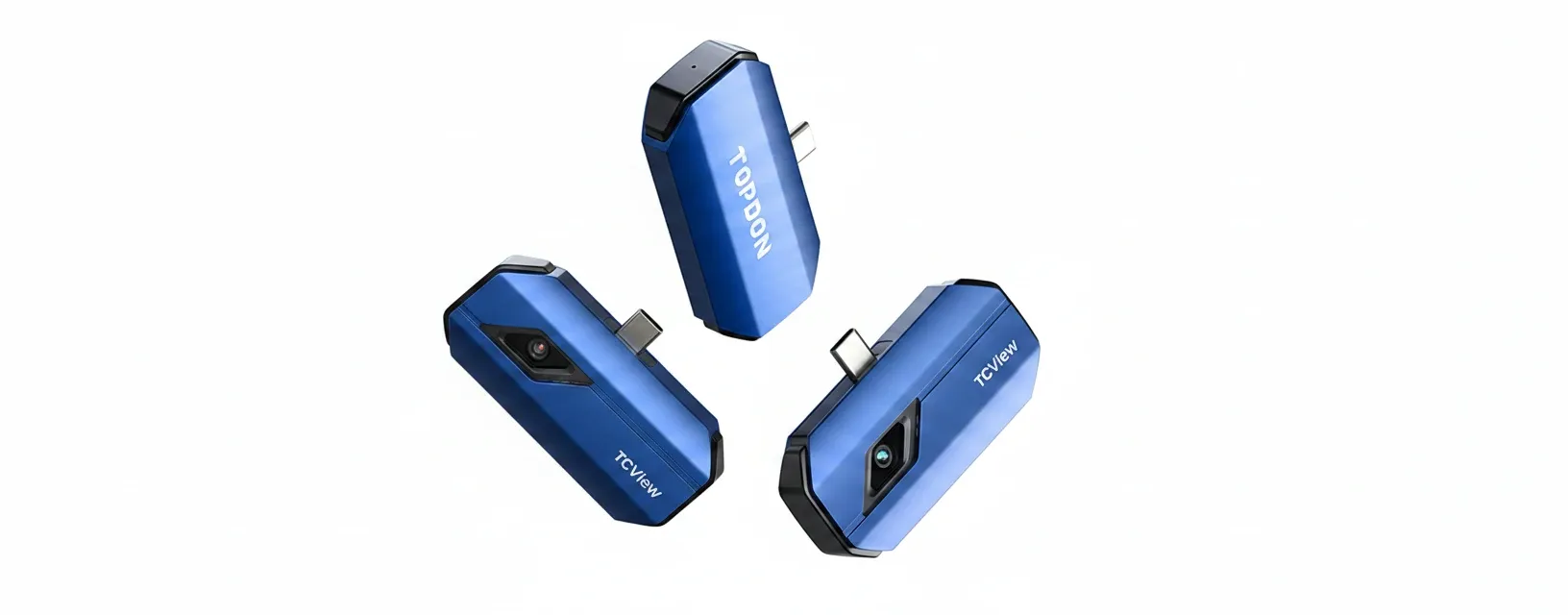
The versatility of infrared imaging surprises most people. Here's how different UK sectors use these tools daily.
Firefighting and Emergency Services
Fire crews use thermal cameras to see through smoke, locate casualties, and identify hidden fire spread within walls and ceilings. UK fire services typically use FLIR K-Series or Bullard units rated to withstand 260°C ambient temperatures. These cameras save lives — there's no simpler way to put it. Resolution requirements are lower (often 240×180) because contrast matters more than detail in zero-visibility conditions.
Electrical Maintenance and Testing
Loose connections generate heat before they fail. A thermal scan of a distribution board takes 30 seconds and can prevent fires. UK electrical regulations (BS 7671) don't mandate thermographic surveys, but insurance companies increasingly request them for commercial premises. Typical fault detection: hot spots exceeding 30°C above ambient indicate serious issues requiring immediate attention.
Building Surveys and Energy Audits
Missing insulation, thermal bridges, air leakage paths — all visible instantly with an IR camera. For accurate results, you need at least a 10°C temperature differential between inside and outside. That's why most UK building thermography happens between October and March. Surveys should follow BS EN 13187 methodology for defensible results.
Plumbing and Heating
Tracing underfloor heating pipes, finding blockages in radiator systems, locating leaks behind walls without ripping plaster off. I've personally used a thermal camera to find a slow leak in a flat that three plumbers had failed to locate by conventional methods. Sorted in ten minutes.
DIY and Home Use
Checking for draughts, verifying insulation coverage after loft work, monitoring damp issues, even finding where mice are getting in (their runs show as warm trails — genuinely one of the more satisfying things you can do with one of these). A £260 smartphone camera handles all of this brilliantly. You don't need professional-grade kit for home diagnostics.
Frequently Asked Questions
How much does a thermal imaging camera cost in the UK?
Prices range from £50 for basic smartphone sensors to over £25,000 for industrial systems. A capable smartphone attachment like the Topdon TC002 costs £259.99 with 512×384 resolution. Professional standalone units from FLIR, Fluke, or Testo typically range between £1,200 and £5,000 depending on resolution and features. Most UK tradespeople spend between £250 and £3,000., with availability in Scotland
Can I use a thermal imaging camera on my phone?
Yes. USB-C thermal camera attachments work with most Android phones and newer iPhones. The Topdon TC002 (£259.99) connects directly to Android devices, providing 512×384 TISR-enhanced resolution with 25Hz live viewing. FLIR ONE Pro covers both platforms. These aren't toys — they deliver genuinely useful thermal data for professional diagnostics and home inspections alike.
What resolution do I need for a thermal camera?
For general heat loss detection and home DIY, 160×120 pixels is adequate. Professional building surveys and electrical inspections require 320×240 minimum to meet BS EN 13187 standards. Industrial and R&D applications benefit from 640×480 or higher. Higher resolution means you can identify smaller faults from greater distances — critical for overhead electrical infrastructure scanning.
Is it worth hiring a thermal camera instead of buying one?
For one-off projects, hiring makes financial sense. UK daily rates run £75–£500 depending on camera specification. However, if you'll use the camera more than 3–4 times annually, purchasing a smartphone attachment at £260 is more economical than a single day's hire of a professional unit. Tradespeople offering thermal surveys as a service should always buy their own equipment.
Do thermal cameras work through walls?
No — thermal cameras detect surface temperatures only. They can't see through solid walls. However, they detect temperature differences on wall surfaces caused by what's behind them: hot water pipes, missing insulation, moisture, or air leakage. A pipe at 40°C behind 12mm plasterboard creates a visible surface temperature difference of 2–5°C, which quality cameras easily detect.
What's the best thermal imaging camera UK professionals recommend?
It depends on the trade. Electricians favour Fluke (TiS60+ at £2,800). Building surveyors often choose FLIR E-Series (E8 Pro at £3,200). For best value, the Topdon TC002 at £259.99 offers 512×384 resolution that rivals cameras costing £1,000+. HVAC engineers frequently pick Testo for its rotating displays and airflow measurement integration.
Key Takeaways
- The thermal imaging camera UK market in 2026 offers genuine quality from £260 upwards — you no longer need to spend thousands for professional-grade thermal data.
- Smartphone thermal attachments like the Topdon TC002 (£259.99, 512×384 resolution, -20°C to 550°C range) deliver exceptional bang for your buck and suit both trade and DIY users.
- FLIR dominates market share but isn't always the best value — Fluke excels for electrical work, Testo for HVAC, and budget brands have closed the quality gap significantly.
- Resolution matters more than brand name — 320×240 pixels is the minimum for professional survey work compliant with BS EN 13187.
- UK hire rates of £75–£500/day make rental sensible for occasional use, but a £260 purchase pays for itself within 2–3 uses versus hiring.
- Building thermography works best October–March in the UK when the 10°C+ indoor/outdoor temperature differential required for accurate results is naturally present.
- Always check HSE and BSI compliance requirements before conducting commercial thermographic surveys — insurance companies and clients increasingly demand certified methodology.
Whether you're a sparky checking distribution boards, a landlord chasing an EPC upgrade, or just someone who wants to know why one room's always cold — there's a thermal imaging solution at the right price point for you. The technology's never been more accessible in the UK, and the energy savings alone typically repay the investment within months. Start with a smartphone attachment, learn what you're looking at, and upgrade if your work demands it.
Ready to try TopdOnTC?
Shop Now — £597.98